

There’s a fair bit of talk around weekend mini roulette at the moment, especially when you want a short session that fits between a Saturday arvo coffee and the evening footy. The appeal is simple: fewer pockets, faster rounds, and a layout that feels lighter on the eyes when you’re switching tabs on a phone. But speed alone doesn’t make a good fit. The right call depends on how you want to manage pace, where you’re sitting, and which practical details actually matter when you’re playing from Australia.
What you should weigh before you start a session
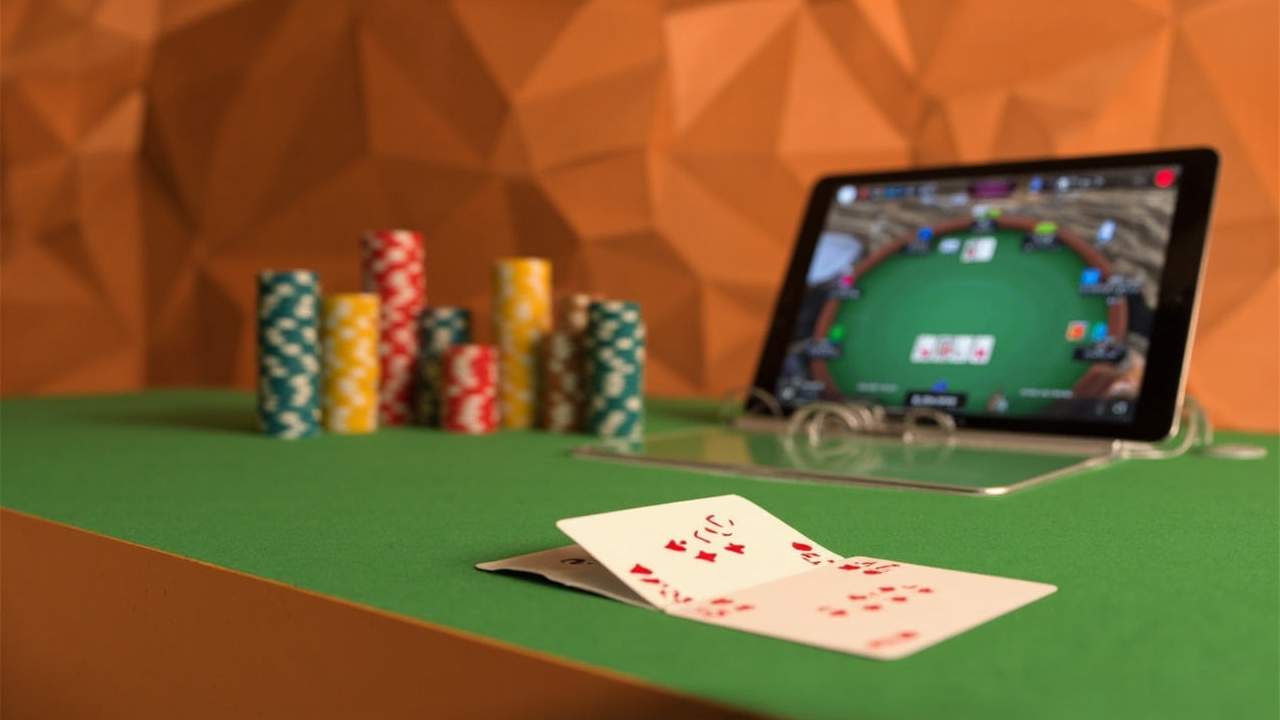
The first question is really about pace and intent. Mini roulette shrinks the layout down, which means rounds move quicker and you’re making more decisions in less time. That can suit a focused half-hour, but it can also blur the line between a planned stop and a session that runs longer than you meant. Think about what you want from the table before you open it: a few measured spins, a fixed stop time, or a casual watch-and-play rhythm. When you’re clear on that, the rest tends to fall into place.
I’ve built support flows across iGaming and community ops that lean on AI-assisted triage and multilingual knowledge bases, and the same principle applies here: the tool only helps when the user’s goal is clear. If you’re treating weekend mini roulette as a quick play rather than a long grind, you want a table that keeps the action readable and the controls easy to reach without hunting through menus. A cluttered interface or a slow spin cycle will fight against that, even if the rules are straightforward.
A practical way to frame the decision is to match the table to the session shape you actually have. If you’re at a desk for a bit, browser play can feel natural. If you’re shifting between rooms or checking in during a break, mobile responsiveness matters more than bells and whistles. The table below shows how those priorities usually line up.
| Priority | What it means for the session | Where it matters most |
|---|---|---|
| Pace control | How fast rounds move and how often you choose to play | Any device, but more noticeable on mobile |
| Layout clarity | How easily you read bets, results, and table limits | Smaller screens and quick glances |
| Session length | Whether the game suits a short stop or a longer stretch | Depends on your own stop rules |
| Payment fit | How deposits and withdrawals align with your usual method | Mobile and browser alike |
If you want a fast way to try the table without overthinking it, you can play at stellarspins and see how the pace feels on your own screen before you settle into anything longer.
How the table behaves on a phone and a browser
Mobile fit is where weekend mini roulette often lives or dies for an Australian player. Most sessions start on a phone, and the difference between a table that works and one that feels fiddly usually comes down to responsiveness, tap targets, and whether the layout reflows cleanly without forcing you to pinch and scroll. A decent mobile table keeps the betting area readable, keeps the spin button easy to reach with a thumb, and doesn’t make you wait on loading between rounds. Performance is the quiet part here: a slow spin or a stutter on results breaks the rhythm more than people expect.
I’ve also seen this in community operations work where multilingual support and AI-assisted service tools had to handle real traffic, not just look tidy in a demo. The lesson carries over: a setup that feels smooth in one region can still feel awkward in another if the local habits and device mix are different. In Australia, people often switch between a laptop and a phone across the weekend, so a table that behaves consistently across both is worth more than a flashy desktop-only presentation.
International practice is a useful comparison here. In the UK and parts of Europe, mobile-first roulette tables are often built around quick reloads and compact bet controls, because the audience is used to short sessions on the commute or in a break. In New Zealand, the device mix is similar to Australia’s, with a lot of play happening on phones in casual settings. The United cistelladellum.com States tends to split attention differently, with more desktop and sportsbook-style traffic in some markets, which pushes some operators toward heavier layouts. None of that is a rule for how you should play, but it does explain why a mobile-leaning table can feel more natural for a weekend stop than a dense desktop layout.
There’s also the practical side of how the table sits in the browser versus an app. A browser version can be handy when you don’t want another install, but it still needs to load cleanly and keep navigation simple. An app can feel more immediate once it’s set up, though it’s only better if the same table and limits are easy to reach there too. Either way, the point is consistency: if your session feels different depending on how you open it, you’re spending attention on the wrong thing.
The practical details that shape a sensible session
Beyond the screen, the details that matter are the ones you’ll actually notice when you’re playing: registration, payments, currencies, support, and the way a loyalty setup behaves if you use the table regularly. Registration should be straightforward enough that you’re not losing time on it before a short session, and it should not feel like you’re being pushed through a maze just to open the table. Payments and currencies need to line up with what you’d normally use, because a mismatch there can turn a quick stop into a pointless detour. If you’re playing casually, you don’t want to be second-guessing whether a deposit or withdrawal path makes sense for the amount you’re moving.
Support is another piece that often gets ignored until something goes wrong. For weekend mini roulette, the useful thing is whether help is easy to find when you need it, and whether the answers are clear rather than generic. In my experience running customer-support and community operations across iGaming and Web3, the best setups are the ones that reduce friction without pretending the friction doesn’t exist. That means clear routes to help, sensible multilingual resources if the audience is mixed, and tools that point people to the right answer quickly rather than looping them through a long back-and-forth.
Loyalty can matter if you’re a regular, but it shouldn’t become the reason you choose a table. A sensible loyalty setup rewards repeat play in a way that feels proportional, not like a hook designed to keep you in front of the screen longer than you planned. Bonus mechanics deserve the same plain treatment: read what they actually cover, what the limits are, and whether they fit the kind of session you’re planning. If a bonus only makes sense for a much longer or different style of play, it’s not really helping a weekend mini roulette session.
When you’re comparing options, a short list like this can keep the decision grounded:
- Check that the table limits suit the session size you have in mind
- Make sure the mobile layout is easy to read without zooming
- Confirm the payment and currency setup matches your usual method
- Look for support that’s easy to reach, not just present on a page
- Treat bonus terms as something to verify, not something to assume
If you’re curious about how people think about roulette methods more broadly, there’s a useful read on roulette strategy with method that frames the topic as a way of managing decisions rather than chasing certainty. That mindset fits weekend mini roulette well, because the table is short and fast, so your own stop rules and pace matter more than any grand system.
A good session usually comes down to a few steady choices: pick a table that suits the time you have, open it in the way that feels least fiddly on your device, and keep the practical details in view before you commit to anything. Hobart players often have the same weekend rhythm as everyone else, but the local reality can be a bit different when you’re fitting a quick spin in between plans, a late arvo coffee, or a night in front of the TV. The table doesn’t need to be complicated; it just needs to fit the way you actually want to play.
When you weigh weekend mini roulette as a decision rather than a impulse, it becomes easier to see whether it suits you. The right table is the one that matches your pace, works cleanly on the device you’re using, and doesn’t make the practical side harder than it should be. If those pieces line up, the session tends to feel like what you wanted in the first place: a short, readable stop that you can start and finish without fuss.